


My child is used to sugary, sweet toothpaste. How can I help them switch?
Kids who use mainstream toothpastes are often used to an intense, candy-like sweetness. This is because most big-brand “kids’ toothpastes” rely on sugar alcohols, artificial sweeteners, and flavor chemicals.
Shifting to a truly natural product like our Kids Mineral Toothpowder, takes a little adjustment, but kids adapt quickly with the right approach.
Practical tips to make the transition smooth:
1. Use simple, positive framing.
Kids respond better to why than to what.
Example script:
“Most toothpastes taste like candy, but this one helps your teeth get really strong.”
Avoid comparing sweetness — keep the focus on strength and growing up.
2. Expect a short adjustment period.
Most kids adapt within 3–7 days.
Once their palate rebalances, sweetened toothpastes often taste too sweet — and they prefer the cleaner, gentler taste.
3. Start with a mix-and-step-down approach.
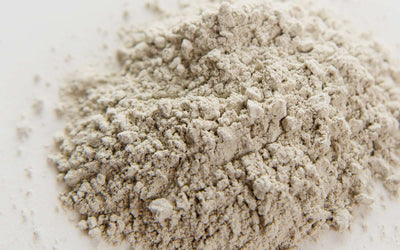
For the first few days, dip the brush lightly into the Kids Mineral Toothpowder and mix it with a tiny smear of their regular toothpaste.
Then gradually reduce the toothpaste until they’re brushing only with the powder.
Why it works:
Kids’ palates adjust gradually, just like reducing sugar in foods.
4. Help transition with a sweetener of your choice.
Some parents may find it helpful to add a small amount of a powdered sweetener to the Kids Mineral Toothpowder during the transition away from conventional, sugary toothpaste.
Every child is different. Some families use powdered xylitol, erythritol, or stevia. Others choose a sweetener their child is already familiar with. The goal is simply to make brushing feel familiar and positive while your child adjusts.
Because brushing is brief, the Kids Mineral Toothpowder is mineral-rich and alkaline, and everything is spit out afterward, this short-term approach is generally considered safe from an oral-health perspective. Over time, you can gradually reduce and eliminate the added sweetness altogether.
We recommend that any sweetener added be used sparingly and as a temporary transition tool — using the smallest amount needed and gradually reducing it over time.
The focus is not on long-term sweetness, but on helping children build a consistent, healthy brushing habit without unnecessary additives.
5. Let them explore the toothpowder.
Kids adapt better when they’re part of the process.
—Let them smell it.
—Let them watch the powder on the brush.
—Let them dip (lightly!) so they feel ownership.
This builds curiosity, not resistance.
6. Use less than you think.
A tiny amount is enough — and the milder taste helps ease the transition.
Kids often reject natural products simply because adults scoop too much onto the brush.
7. Keep brushing time routine and predictable.
Predictability reduces pushback. Stick to the same brushing time each day.
A stable routine makes the new Kids Mineral Toothpowder feel normal within a week.
For a deeper look at common toothpaste ingredients and how our formulation differs, see The not so good ingredients in natural toothpastes.
Disclaimer
This information is provided for educational purposes and reflects a preventive, biologically informed approach to oral care. It is not intended to diagnose, treat, or replace professional dental or medical advice. If you have specific concerns about your child’s oral health, please consult a qualified dental professional. Find a holistic/biological dentist near you on our Holistic Oral Health page.